Bătaie de vale pentru testarea pulpei
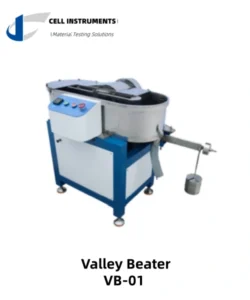
Bătaie de laborator Valley
Bătătorul de laborator Valley este un instrument de precizie pentru rafinarea pastei de hârtie în condiții de laborator.
Despre TAPPI T200
Introducere în TAPPI T200
TAPPI T200 este un standard fundamental utilizat pentru a evalua calitatea pastei de hârtie prin bătăi mecanice controlate în condiții de laborator. Această metodă oferă informații esențiale privind caracteristicile fibrelor, calitatea fabricării hârtiei și modul în care proprietățile pastei de hârtie influențează performanța finală a hârtiei. Aderarea la TAPPI T200 permite producătorilor de celuloză, laboratoarelor de cercetare și echipelor de control al calității să asigure o producție consecventă și de înaltă calitate.

Scop și semnificație
The obiectivul principal al TAPPI T200 este de a evalua calitatea fabricării hârtiei prin supunerea pastei la bătăi mecanice standardizate. Obiectivele cheie includ:
Optimizarea proprietăților fibrelor:
Îmbunătățirea rezistenței, flexibilității și a potențialului de lipire a fibrelor.
Asigurarea calității:
Monitorizarea și controlul consistenței produselor pentru loturile comerciale de pastă.
Cercetare și dezvoltare:
Evaluați noi tipuri de pastă, tratamente chimice sau metode de albire.
Această metodă este aplicată pe scară largă în piața fabricilor de celuloză, instituții de cercetare și laboratoare de control al calității pentru a asigura performanțe constante pentru toate tipurile de hârtie. Cu toate acestea, fibrele extrem de lungi, cum ar fi bumbacul sau iuta, pot fi inadecvate pentru această metodă din cauza încâlcirii fibrelor.
Bătaie de laborator Valley și echipamente de testare a pulpei
The Bătător de laborator Valley, un tip de bătător de pulpă, este esențială pentru testarea TAPPI T200. Împerecheat cu standardul Echipament de testare a hârtiei, supune pasta de hârtie unui tratament mecanic controlat, simulând rafinarea industrială la o scară mai mică. Prin aplicarea unor forțe precise de forfecare și compresie, Bătător de vale modifică flexibilitatea fibrelor și potențialul de lipire.
The Cell Instruments VB-01 Bătător de vale oferă un control fiabil asupra parametrilor cheie, cum ar fi concentrația pulpei, viteza de rotație și durata bătăii, asigurând rezultate repetabile potrivite atât pentru cercetare, cât și pentru controlul calității industriale.
Aplicații ale TAPPI T200
Standardul TAPPI T200 se aplică la o mare varietate de tipuri de celuloză:
- Pastă chimică: Pentru hârtie fină și aplicații de imprimare.
- Pastă mecanică: Pentru carton, ambalaje și hârtie specială.
- Paste speciale: Utilizat în țesuturi, hârtie de filtru și aplicații de înaltă rezistență.
În plus, testarea TAPPI T200 sprijină inovarea în chimia celulozei, amestecarea fibrelor și proiectarea proceselor de producție, ceea ce o face esențială atât pentru cercetarea industrială, cât și pentru cea academică.
Parametrii cheie măsurați în TAPPI T200
TAPPI T200 se concentrează pe caracteristicile critice ale fibrelor și hârtiei, inclusiv:
01
Fibrilația fibrelor
Gradul în care suprafețele fibrelor sunt modificate pentru o mai bună aderență.
02
Consistența pulpei
Menținute pentru a asigura reproductibilitatea bătăilor.
03
Proprietăți de rezistență ale foilor de mână
Evaluat pentru a prezice performanța hârtiei industriale.
04
Eficiența învingătoare
Evaluat prin panta curbei bătătorului, care informează asupra ajustărilor procesului.
Înțelegerea acestor parametri ajută la optimizarea energiei de rafinare și la îmbunătățirea calității generale a hârtiei.
Procesul de testare a TAPPI T200
Procedura de testare urmează etape structurate:
- Pregătirea pastei de hârtie: Pulpa este diluată la concentrația necesară și omogenizată.
- Bătaie în vale Bătaie: Pasta este prelucrată între barele de rulare și placa de bază, aplicând energie mecanică controlată.
- Retragerea eșantionului: Eșantioanele prelevate în mod regulat sunt utilizate pentru a monitoriza progresul bătăilor.
- Formarea și evaluarea foilor de mână: Pulpa bătută este transformată în foi de mână pentru evaluare rezistență la tracțiune, rezistență la rupere și netezime.
- Construcția curbei batătorului: Datele de la eșantioane secvențiale creează o curbă de bătut, ilustrând proprietățile pastei în funcție de timpul de bătut.
Acest proces permite comparație standardizată a tipurilor de pastă de hârtie și oferă informații utile pentru optimizarea producției.
Avantajele utilizării batoanelor TAPPI T200 și Valley
Implementarea TAPPI T200 cu echipamente profesionale oferă mai multe beneficii:
- Evaluarea consecventă a pulpei: Reduce variabilitatea între loturi și linii de producție.
- Îmbunătățirea capacității de cercetare: Facilitează dezvoltarea de noi tipuri de celuloză și tipuri de hârtie.
- Optimizarea proceselor: Ajută fabricile să echilibreze energia de rafinare și calitatea pastei.
- Control fiabil al calității: Asigură conformitatea produselor comerciale cu standardele pieței.
Prin combinarea metodologiei TAPPI T200 cu VB-01 Bătător de vale, producătorii și cercetătorii obțin o cadru robust pentru evaluarea calității pastei de hârtie.
TAPPI T200, realizat cu ajutorul unui bătător de laborator Valley, cum ar fi Cell Instruments VB-01, permite baterea precisă a celulozei și evaluarea foii de mână, ceea ce îl face un instrument esențial pentru testarea bătătorului de celuloză, aplicațiile echipamentelor de testare a hârtiei și evaluarea exactă a calității fibrelor.
- INSTRUMENTE CELULARE
Întrebări frecvente
Care este scopul TAPPI T200?
TAPPI T200 este o metodă standard utilizată pentru a evalua calitatea de fabricare a hârtiei din celuloză prin batere mecanică controlată. Aceasta ajută la determinarea proprietăților fibrelor, la optimizarea proceselor de rafinare și la prezicerea performanței hârtiei prin formarea foii de mână.
Ce tipuri de celuloză pot fi testate folosind TAPPI T200?
TAPPI T200 este potrivit pentru majoritatea pastelor chimice și mecanice utilizate în producția de hârtie, carton, țesuturi și hârtie specială. Pastele cu fibre extrem de lungi, precum bumbacul sau iuta, pot fi neadecvate din cauza încurcării fibrelor în timpul bătăii.
Ce este un bătător de laborator Valley și de ce este utilizat?
Un bătător de laborator Valley, cum ar fi Cell Instruments VB-01, este o precizie bătător de pulpă utilizat pentru efectuarea testelor TAPPI T200. Acesta asigură un tratament mecanic controlat al celulozei, permițând o evaluare precisă a calității fibrelor, a consistenței și a proprietăților foii.
Cum se măsoară gradul de bătaie?
Eșantioanele sunt prelevate la intervale regulate de la bătător și transformate în foi de laborator. Proprietățile fizice ale acestor folii, cum ar fi rezistența la tracțiune, rezistența la rupere și netezimea, sunt analizate pentru a construi o curba batătorului care arată gradul de rafinare în timp.
Rezultatele TAPPI T200 pot fi utilizate pentru controlul procesului?
Da, rezultatele TAPPI T200 ghidează ajustările de proces în rafinare, amestecarea celulozei și monitorizarea calității, contribuind la menținerea proprietăților constante ale fibrelor și a calității hârtiei.
 RO
RO  EN
EN  AR
AR  BG
BG  CS
CS  DA
DA  DE
DE  EL
EL  ES
ES  ET
ET  FI
FI  FR
FR  HU
HU  ID
ID  IT
IT  JA
JA  KO
KO  LT
LT  LV
LV  NB
NB  NL
NL  PL
PL  PT
PT  RU
RU  SK
SK  SL
SL  SV
SV  TR
TR  UK
UK